Building Resilient Careers in Financial Technology
26 March, 2026
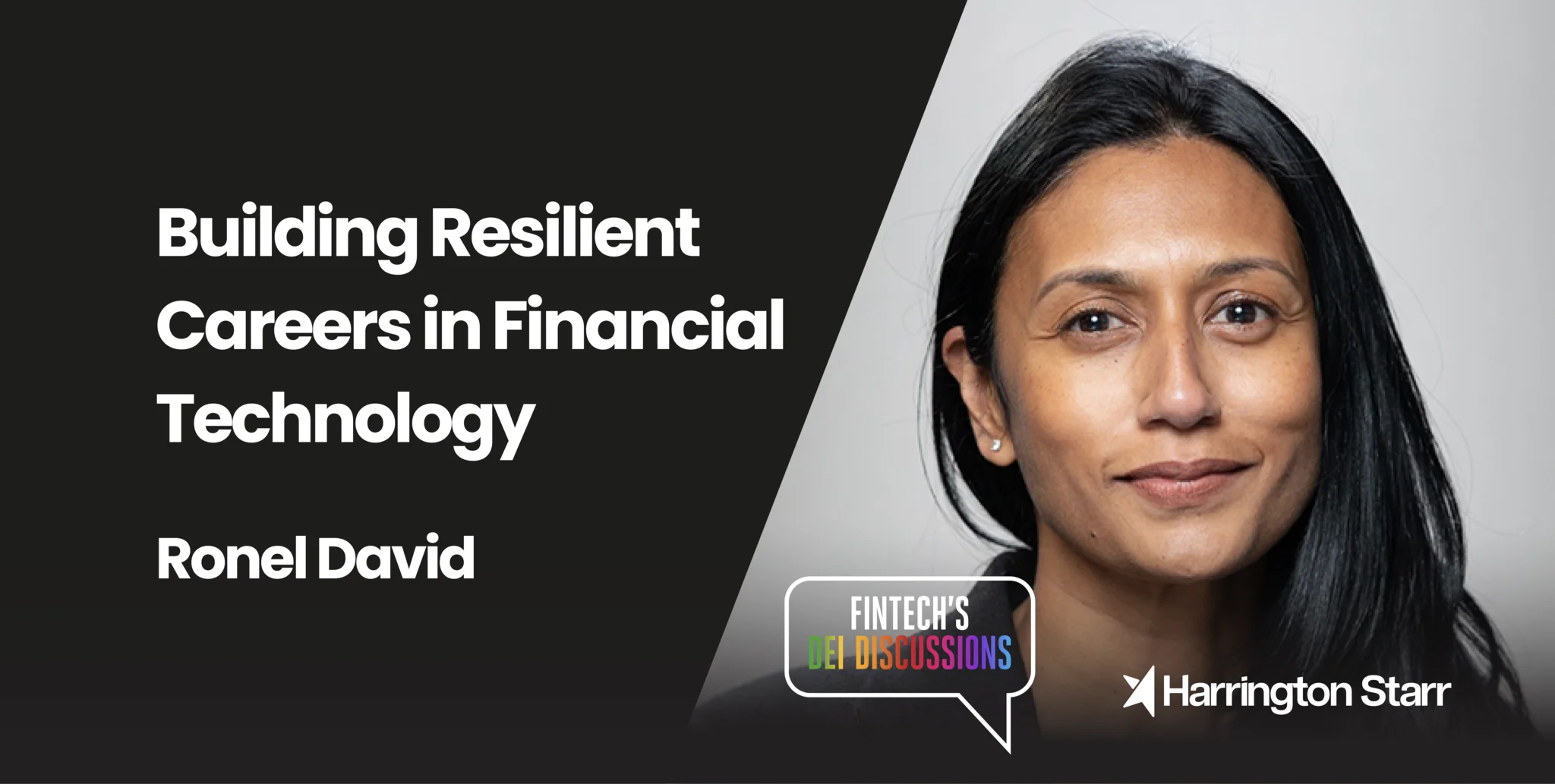

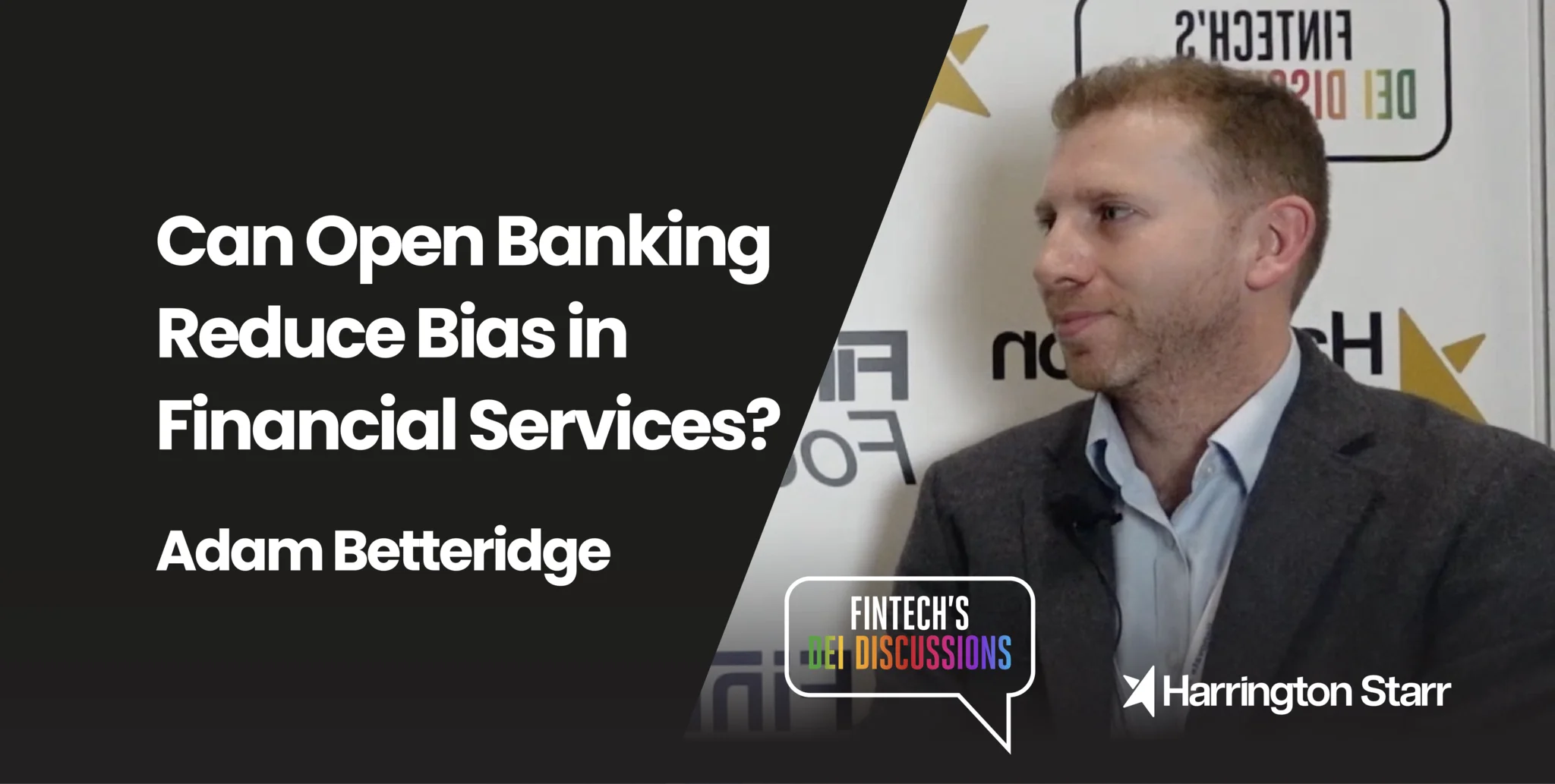
In this episode of FinTech’s DEI Discussions, Nadia is joined by Adam Betteridge, FinTech, Partnerships & Open Banking Lead at TSB Bank, for a live conversation recorded at FinTech Connect 2025. Together, they explore how inclusion shows up in real financial services environments, why open banking has a critical role to play in reducing bias, and what leaders and individuals across FinTech can do to “walk the talk” when it comes to diversity, equity and inclusion.
Rather than speaking in abstract terms, this discussion is grounded in lived experience, practical insight, and an honest assessment of where the industry has made progress and where it still has work to do. From Adam’s career journey through retail banking and into FinTech innovation, to broader questions about representation, allyship, and accessibility, this episode reflects the realities facing modern financial services organisations as they scale, modernise, and compete for talent.
Adam begins by sharing his career path, which started in frontline retail banking straight out of university. Beginning his career on the counter at Nationwide Building Society, he describes how the banking sector gave him an opportunity to develop, progress, and grow through different roles. His journey took him from branch leadership roles across London into head office positions focused on change and transformation projects, before eventually moving into open banking and FinTech innovation.
This progression is important because it highlights something often missed in conversations about FinTech careers and leadership. Many of today’s FinTech leaders have grown through traditional financial services environments before moving into innovation-led roles. For employers and hiring managers, particularly those working with specialist FinTech recruitment partners like Harrington Starr, this reinforces the value of diverse career pathways and transferable skills.
Adam also shares a deeply personal part of his story, explaining that it was during his time in banking that he was formally diagnosed with dyslexia. While it was something he had long suspected, receiving a diagnosis later in his career helped him better understand himself and how he worked. This moment becomes a powerful foundation for the wider conversation around inclusion, accessibility, and how organisations support individuals with different needs to thrive.
A central theme of the episode is open banking and its potential to drive more inclusive financial outcomes. As someone working day-to-day in this space, Adam explains why he is so passionate about the role open banking can play in reducing bias across financial services.
Traditional credit decisioning has long relied on limited data sets, often disadvantaging individuals with thin credit files. This includes people new to the UK, those early in their careers, or individuals who have not used conventional borrowing products like credit cards or loans. Adam explains that open banking opens up access to richer, more representative data, allowing lenders to make better-informed decisions based on actual financial behaviour rather than assumptions.
By using open banking data, financial institutions can better understand consumers who may previously have been excluded or underserved. This, he argues, creates opportunities to challenge long-standing biases baked into traditional systems. Rather than defaulting to a “no”, open banking enables a more nuanced understanding of an individual’s financial position, opening doors that might otherwise remain closed.
For FinTech businesses and banks alike, this has implications not only for product design but also for hiring and leadership. Teams building inclusive financial products must themselves reflect diverse perspectives, experiences, and ways of thinking. This is where FinTech recruitment and DEI strategy intersect in meaningful ways.
When asked what inclusion means to him, Adam is clear that there is no single definition. Inclusion, he explains, is about removing barriers in all their forms. This includes barriers to accessing financial products, barriers within workplaces, and barriers that prevent people from seeing themselves represented at different levels of an organisation.
He emphasises the importance of visibility and representation, particularly in senior roles. For individuals starting out in their careers, seeing people with different backgrounds, experiences, and identities in leadership positions can be a powerful motivator. It signals that progression is possible and that organisations value difference rather than conformity.
This perspective aligns closely with the ethos of FinTech’s DEI Discussions, which consistently centres real experiences rather than performative commitments. Inclusion, as Adam describes it, is not about ticking boxes. It is about creating environments where people feel able to contribute fully, challenge thinking, and bring different perspectives into decision-making processes.
Another key insight from the conversation is the value of collaboration between banks and FinTechs. Adam notes that when organisations work together across traditional and innovative parts of the ecosystem, the outcomes are often stronger and more diverse.
Collaboration reduces the risk of groupthink, where the same ideas are recycled by the same types of people in the same rooms. Instead, it encourages different viewpoints, challenges assumptions, and leads to better outcomes for customers. This collaborative approach also drives healthier competition, pushing organisations to improve products, services, and internal cultures.
From a talent perspective, this reinforces the growing demand for professionals who can operate across both worlds. FinTech recruitment today increasingly focuses on candidates who understand regulation, legacy systems, and innovation simultaneously. Conversations like this one highlight why those hybrid skillsets are so valuable.
One of the most impactful moments in the episode comes when Adam discusses allyship at an individual level. He is clear that inclusion is not solely the responsibility of underrepresented groups. Instead, it requires active participation from everyone, particularly those in positions of influence.
He speaks candidly about the importance of questioning environments where diversity is lacking. If a room is made up entirely of people who look the same, think the same, or share the same backgrounds, it is worth asking why. Are the right decisions being made? Are customer needs truly being represented? Are opportunities being shared fairly?
This level of self-reflection is central to effective allyship. Adam encourages listeners to reflect on their own biases, acknowledge that mistakes will be made, and focus on learning rather than defensiveness. Inclusion, he notes, is a journey rather than a destination, and progress depends on honesty and accountability.
For FinTech leaders, hiring managers, and founders listening to this episode, the message is clear. Building inclusive financial services starts with building inclusive teams. Representation matters, not only from an ethical standpoint but because it directly impacts the quality of products, services, and decision-making.
This has direct relevance for organisations partnering with FinTech recruitment specialists like Harrington Starr. Hiring strategies that prioritise diversity, accessibility, and long-term inclusion are better positioned to attract and retain top talent in an increasingly competitive market. As the FinTech sector continues to evolve, organisations that fail to embed these principles risk falling behind.
At its core, this episode of FinTech’s DEI Discussions highlights the interconnected nature of technology, talent, and culture in modern financial services. Open banking is not just a technical innovation. It is a tool that, when used thoughtfully, can support more inclusive financial systems. Similarly, DEI is not a standalone initiative but a lens through which organisations should view hiring, leadership, and product development.
Adam’s reflections underscore the importance of creating environments where people can grow, adapt, and bring their full selves to work. From early-career professionals navigating financial services for the first time to senior leaders shaping strategy, inclusion influences every stage of the journey.
Recorded live at FinTech Connect 2025, this episode captures the energy and diversity of one of the UK’s most important FinTech events. Adam reflects on how the conference brings together a wide range of voices, ideas, and perspectives, offering opportunities to learn from people outside of one’s immediate sphere.
This diversity of thought mirrors the themes of the conversation itself. The FinTech industry has grown significantly over the past decade, but growth alone is not enough. How the industry grows, who it includes, and who it serves will define its future.
As the episode draws to a close, the focus returns to action. Inclusion, Adam reminds us, is not about perfection. It is about intention, reflection, and a willingness to change. Mistakes will happen, but progress depends on how organisations and individuals respond to them.
For listeners across FinTech, banking, and financial services, this conversation offers both reassurance and challenge. Reassurance that meaningful change is possible, and challenge to actively participate in making that change a reality.
This episode of FinTech’s DEI Discussions is a thoughtful, grounded exploration of how inclusion, open banking, and leadership intersect in today’s financial services landscape. It is essential listening for anyone involved in FinTech recruitment, product development, leadership, or culture who wants to understand not just where the industry is heading, but how to ensure it gets there responsibly.