IT is for Everyone
25 March, 2026
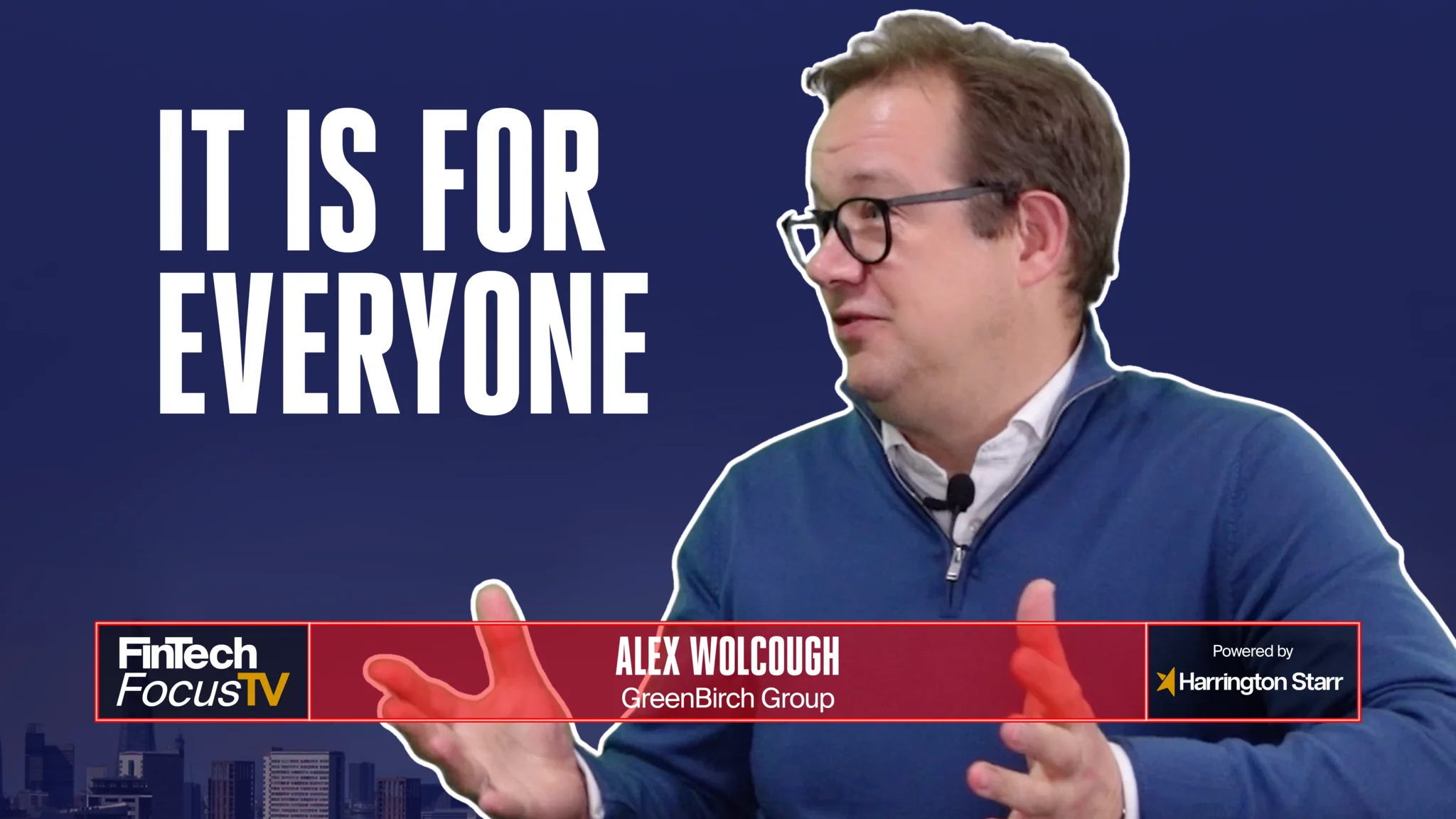

Recorded live at FinTech Connect 2025, this episode of FinTech Focus TV brings together Toby and Mike Vitez, Co-Founder of Saturnia Design, for a wide-ranging conversation on the evolution of product design, UX maturity, and what this shift means for FinTech leaders building technology teams today.
As FinTech hiring continues to evolve, the discussion highlights a crucial industry truth: technology alone is no longer enough. Competitive advantage increasingly sits at the intersection of product thinking, user experience, and talent that understands both. From Harrington Starr’s perspective as a FinTech recruitment business, this conversation speaks directly to how hiring priorities are shifting across product, engineering, UX, and leadership roles within financial technology firms.
Speaking from FinTech Connect, Toby opens the conversation by setting the context. Events like FinTech Connect have become more than networking opportunities; they are a reflection of how far the industry has matured. The presence of product designers, UX specialists, and design-led consultancies alongside banks, vendors, and infrastructure providers signals a fundamental change in how FinTech organisations think about building technology.
Mike Vitez’s presence at the event reinforces this shift. Rather than attending purely as a software supplier, Saturnia Design is embedded in conversations about usability, product adoption, and long-term customer value. This mirrors what Harrington Starr increasingly sees in the recruitment market: FinTech clients are no longer hiring purely for coding capability. They are hiring for people who understand how technology is actually used.
Mike explains that Saturnia Design began life in 2016 as a traditional software development company. At that time, frameworks and coding tools were rapidly evolving, and many businesses were focused on simply getting products built. However, as the industry matured, it became clear that building software was not the same as building successful products.
The conversation highlights a key turning point: software stopped being the end goal and became a tool in service of broader business outcomes. Rather than asking “can we build this?”, the better question became “should we build this, and will people actually use it?” This mindset shift is increasingly relevant for FinTech recruitment, as companies now seek product managers, designers, and engineers who can contribute to strategic outcomes rather than isolated technical tasks.
A major theme throughout the episode is the growing importance of UX and UI in FinTech platforms. Mike describes how Saturnia Design’s focus moved decisively towards usability, research, and experience design as they saw first-hand how user-centric products consistently outperformed technically impressive but poorly designed alternatives.
In regulated, complex financial environments, ease of use is no longer optional. Traders, analysts, compliance teams, and end customers all expect intuitive digital experiences. This has direct implications for hiring. FinTech firms now need UX designers, product owners, and engineers who understand real-world workflows, not just system architecture.
From a FinTech recruitment perspective, Harrington Starr sees this reflected in rising demand for hybrid skillsets, where candidates combine technical knowledge with strong communication, design thinking, and commercial awareness.
Mike shares his experience co-founding and exiting multiple startups in the Web3 space, noting that the most successful ventures consistently prioritised seamless user experience. In emerging technology sectors, where concepts can be abstract and intimidating, usability often determines whether adoption happens at all.
He explains that one of his early exits succeeded largely because the product was usable. This insight influenced Saturnia Design’s strategic direction and reinforced the idea that UX is not decorative; it is foundational. For FinTech companies operating in areas such as blockchain, digital assets, and decentralised infrastructure, this lesson is especially relevant.
From a recruitment standpoint, this reinforces why FinTech firms increasingly seek product designers, UX researchers, and engineers with experience translating complex concepts into accessible solutions.
The discussion moves into Saturnia Design’s work with large, established brands within the FinTech and Web3 ecosystems. Mike describes collaborations with organisations such as CoinDesk and Polkadot, including co-hosting events, mentoring, and participating in hackathons.
A particularly valuable insight emerges from Mike’s role as a mentor and judge. He observed that many early-stage products were technically impressive but lacked a clear user or problem statement. Solutions were being built without fully understanding who they were for. This observation resonates strongly with FinTech hiring leaders, who increasingly value candidates capable of bridging business needs and technical execution.
For Harrington Starr, this reinforces a consistent message to clients: hiring the right product and UX talent early can significantly reduce long-term delivery risk.
Mike highlights Saturnia Design’s involvement in mentorship programmes and accelerator environments, including work with Polkadot and fellow innovation labs. These initiatives focus not only on early-stage startups but also on companies with existing products looking to extend or refine their platforms.
The emphasis on mentorship reflects a broader industry need to develop talent, not just acquire it. As FinTech continues to face skills shortages in areas such as UX, product management, and engineering leadership, structured learning and exposure to real-world product challenges become critical.
This aligns closely with Harrington Starr’s work in FinTech recruitment, where advising clients on talent development and retention is as important as filling vacancies.
One of the most practical insights from the episode is Saturnia Design’s approach to product development. Mike explains that their methodology prioritises planning over implementation, with a strong focus on market research, user personas, wireframing, and design before code is written.
He describes this as roughly seventy percent planning and thirty percent implementation. This approach challenges traditional development models and underscores why UX and product strategy roles are becoming more prominent in FinTech hiring.
For FinTech employers, this shift means building teams that include researchers, designers, and product thinkers alongside engineers. For candidates, it means that soft skills, strategic thinking, and user empathy are increasingly valuable in the hiring process.
An interesting observation arises when Mike reflects on managing a large international project spanning the US, Saudi Arabia, and Europe. He notes a cultural divide in how different regions approach product development. Western teams tended to focus more on end-user experience, while other regions prioritised architecture and code quality.
This insight highlights the importance of diverse perspectives within global FinTech teams. As firms scale internationally, hiring leaders must consider not only technical competence but also how candidates approach problem-solving and collaboration.
From a FinTech recruitment perspective, this reinforces the value of globally minded professionals who can operate effectively across cultures and disciplines.
Mike’s background in machine learning allows him to offer a measured perspective on artificial intelligence. He explains that many concepts now branded as AI have existed for years and that the current surge represents a reframing rather than an entirely new discipline.
Rather than criticising the trend, he acknowledges its role in bringing advanced technologies to a wider audience. However, he stresses the importance of understanding fundamentals and applying technology to real problems.
For FinTech recruitment, this perspective is crucial. Clients increasingly seek candidates who can cut through hype, apply AI pragmatically, and integrate it into products that deliver tangible value.
The conversation touches on the idea of pivoting, which Mike notes was once viewed negatively in the industry. Over time, however, pivoting has become recognised as a sign of strategic maturity rather than failure.
Saturnia Design’s shift from software development to product-led UX consulting exemplifies this evolution. The willingness to adapt based on market needs is now a defining trait of successful FinTech businesses.
From a hiring standpoint, this means that adaptable, resilient candidates are in high demand. FinTech recruitment increasingly favours professionals who can evolve alongside changing business models.
Looking ahead to 2026, Mike outlines Saturnia Design’s ambition to raise awareness of UX as a value driver rather than a cost centre. He acknowledges that many organisations still view UX as an optional expense rather than a strategic investment.
Through workshops, hackathons, and global partnerships, Saturnia Design aims to demonstrate how thoughtful UX planning reduces long-term costs and improves product outcomes. This educational focus reflects a broader industry shift towards informed decision-making.
For Harrington Starr, this aligns closely with conversations happening at board and leadership level. FinTech clients increasingly recognise that hiring the right product and UX talent upfront leads to stronger commercial outcomes.
Throughout the episode, a consistent theme emerges: people are the differentiator. Technology, frameworks, and tools will continue to evolve, but the ability to understand users, define problems, and deliver usable solutions depends on talent.
As a FinTech recruitment business, Harrington Starr works closely with clients to identify professionals who can operate at this intersection of technology and experience. Roles in product management, UX design, engineering leadership, and digital transformation are no longer siloed; they are deeply interconnected.
This episode reinforces why FinTech hiring strategies must evolve alongside product strategy. Businesses that invest in multidisciplinary teams are better positioned to compete in an increasingly crowded market.
This conversation between Toby and Mike Vitez offers a timely reflection on where FinTech is heading. As products become more complex and competition intensifies, usability, product thinking, and human-centred design are emerging as critical success factors.
For FinTech leaders, the message is clear: hiring decisions made today will shape product success tomorrow. For candidates, the episode highlights the growing value of skills that combine technical expertise with strategic and user-focused thinking.
As FinTech recruitment continues to evolve, insights like these help organisations and professionals alike navigate a changing landscape, one where experience, adaptability, and thoughtful design define the future of financial technology.